Don't Just Fall Back: 5 Things to Check When Changing Your Clocks
Daylight saving time ends November 1, 2026. Before turning your clocks back, take a few minutes to check the batteries, test your alarms, and make sure everything is running properly. Here are five things worth checking this fall—and when it might be time for a new clock.

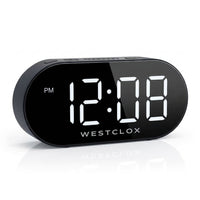
Daylight saving time ends Sunday, November 1, 2026, at 2:00 a.m. in most of the United States. Clocks move back one hour to 1:00 a.m., bringing earlier sunrises and sunsets.
Before going to bed on October 31, remember to adjust your clocks. While you're at it, check the batteries, test your alarms, and make sure everything is working as it should.
On This Page — Jump to a Section
When Does the Time Change in 2026?
Most of the United States observes two daylight saving time changes each year, in the Sprint and the Fall. This season we will be changing the clocks as follows:
| Time Zone | Time Change | Date | What Happens |
|---|---|---|---|
| Eastern (EDT) | 2:00 a.m. | November 1, 2026 | Clocks move back to 1:00 a.m. EST |
| Mountain (MDT) | 2:00 a.m. | November 1, 2026 | Clocks move back to 1:00 a.m. MST |
| Pacific (PDT) | 2:00 a.m. | November 1, 2026 | Clocks move back to 1:00 a.m. PST |
After the fall change, mornings have more daylight by the clock, while evenings get darker earlier.
Hawaii and most of Arizona do not observe daylight saving time. The Navajo Nation, which includes part of Arizona, is an exception.
Do You Need to Change Your Clocks Manually?
Many smartphones, computers, and internet-connected devices adjust automatically when their time settings are configured correctly. Most traditional wall clocks and many digital alarm clocks need to be adjusted manually.
Most current Westclox clocks need to be adjusted manually for daylight saving time. If you’re unsure how to make the adjustment, refer to your clock’s user manual for model-specific guidance.
For instructions specific to your clock, visit the Westclox User Manuals page.
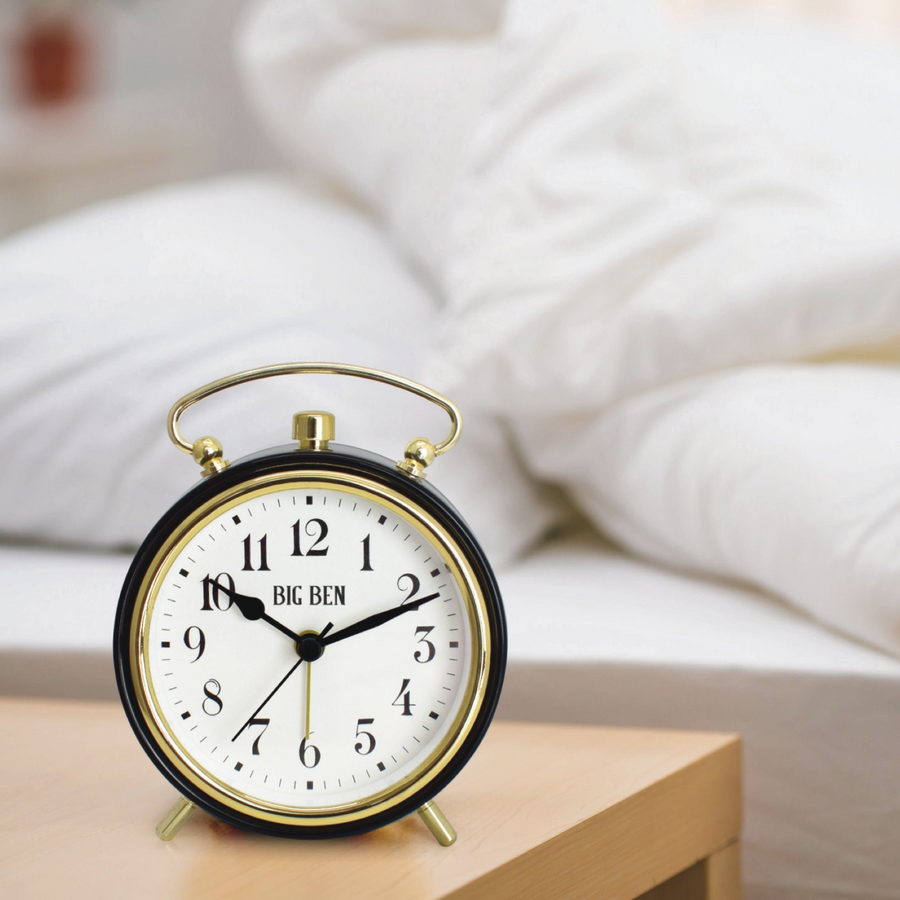
Westclox has been part of American timekeeping since 1884. From the early Big Ben and Baby Ben alarm clocks to today's wall clocks and digital models, generations of families have relied on Westclox to keep their daily routines on schedule. The designs have changed, but checking the time and making sure the morning alarm works are just as familiar today.
5 Things to Check When Changing Your Clocks This Fall
1. Reset the Time and Check Your Settings
Set your clocks back one hour before bed on October 31. If a clock reads 8:00, for example, change it to 7:00.
Use the designated time-setting control on analog clocks or follow your digital clock's manual.
Check the AM/PM setting, alarm time, and date if your clock has those features. Don't forget clocks in guest rooms, home offices, or travel bags.
2. Check Your Clock Batteries
Weak batteries can cause clocks to stop, lose time, or work inconsistently.
When adjusting your clocks, take a moment to:
- Make sure batteries are securely installed.
- Check the compartment for leakage or corrosion.
- Replace depleted batteries with the recommended type.
- Confirm that the clock is running properly.

Back of the Westclox 33883P wall clock
For electric alarm clocks with battery backup, remember to check the backup batteries too. On models designed to sound the alarm during battery backup operation, the alarm can still sound during a power outage even though the display remains off. Battery backup features vary by model, so refer to your clock’s manual for details.
3. Test Your Alarm
Once you have reset the time, check that your alarm is switched on. Set a test alarm a few minutes ahead, then restore your regular wake-up time.
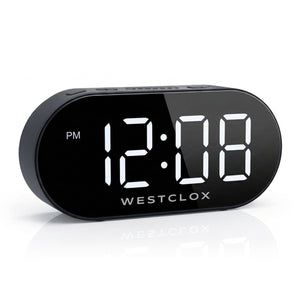
A good bedside alarm should fit your routine. Some people prefer a louder alarm, while others appreciate a quiet, non-ticking clock.
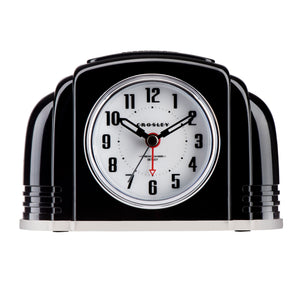
The Crosley Black Deco Alarm Clock combines a loud alarm, quiet second hand, and adjustable dial lighting with Art Deco-inspired styling, making it both practical and distinctive on a nightstand.

4. Clean and Inspect Your Clocks
Wall clocks and bedside alarms can collect dust over time, especially around the case and dial.
Wipe the exterior gently with a soft, dry microfiber cloth. Avoid spraying cleaning solutions directly onto the clock or allowing moisture into its internal components.
Check for loose parts, damaged battery contacts, or other signs of wear while you're cleaning.
5. Decide Whether It's Time for an Upgrade
If your clock regularly loses time or stops unexpectedly, try fresh batteries and a reset before considering a replacement.
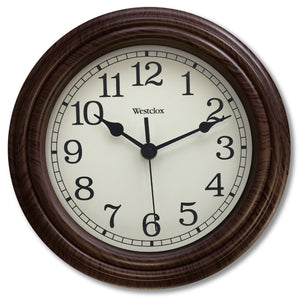
A wall clock should be easy to read and suit the room where it hangs. The Westclox 10-inch Traditional Woodgrain Wall Clock (33883P) offers a clear dial, metal hands, a glass lens, and quartz timekeeping.
Its woodgrain finish suits a range of traditional interiors, making it a practical choice for kitchens, living rooms, and home offices.

Why Do We Change Clocks for Daylight Saving Time?
Daylight saving time shifts an hour of daylight from the morning to the evening during the warmer months.
The United States first adopted daylight saving time nationally in 1918. Under the current schedule, it begins on the second Sunday in March and ends on the first Sunday in November.
Change Your Clocks for Fall and Save 20%
If it is time to refresh a wall clock or bedside alarm, explore the Westclox Fall Back collection.
Get 20% off select Westclox clocks with code FALLBACK26.
Offer applies to select clocks. Check the collection for eligible products and promotional terms.